Stargazing in Ruidoso: Best Spots for Dark Skies
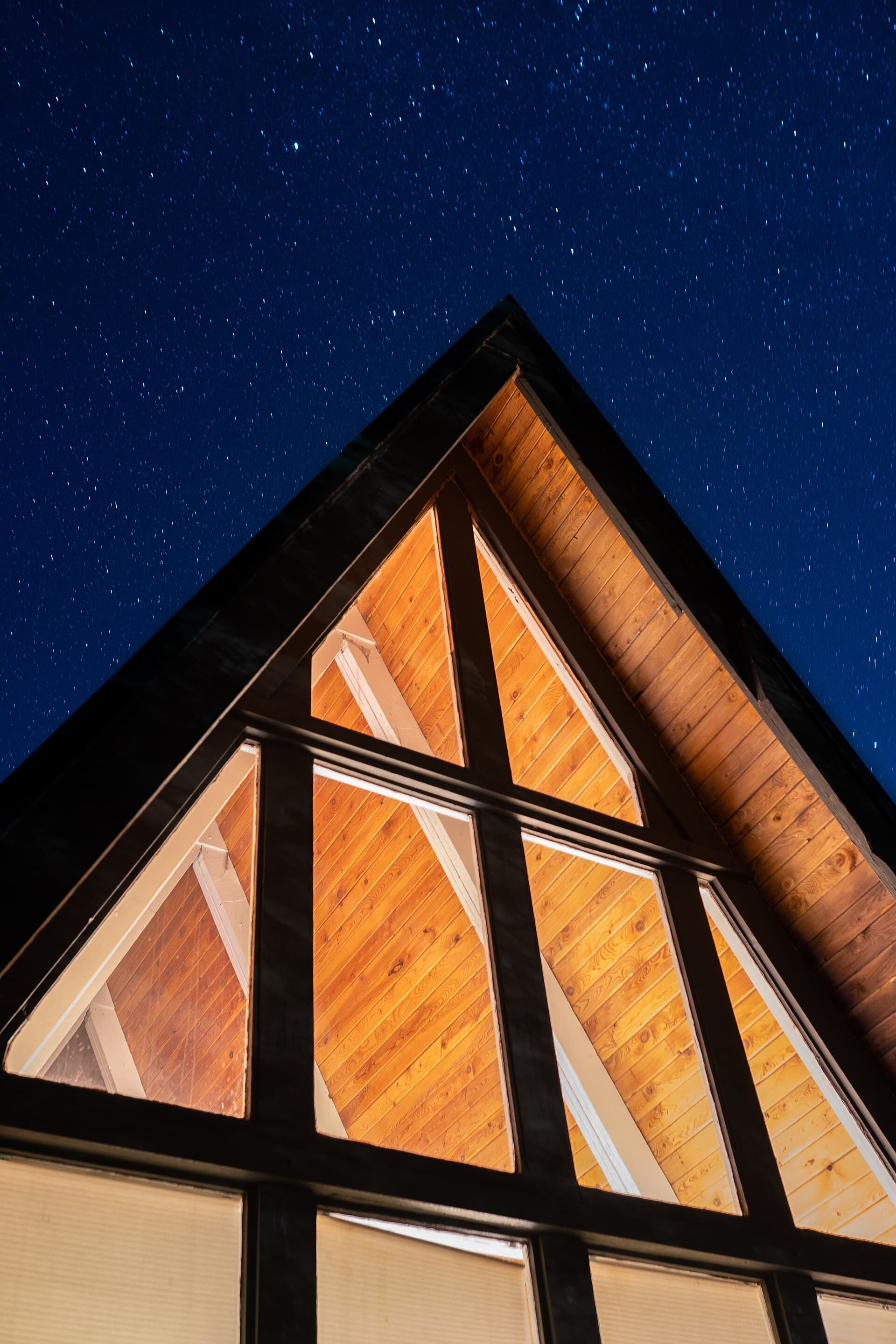
I have lived in cities and I have lived in the mountains, and the difference in the night sky between those two lives is not subtle. On a clear night in Ruidoso, the Milky Way is not a concept. It is a physical thing, a broad smear of light across the sky that your eyes need a moment to process the first time you really see it. If you have spent your whole life under city light pollution, you may not know what the actual night sky looks like. A summer night in the Sacramento Mountains will show you.
Here is how to make the most of it.
Why Ruidoso Works for Stargazing
A few factors make southeastern New Mexico one of the better stargazing regions in the country. First, low population density means low artificial light output. The nearest significant cities, Roswell and Alamogordo, are 45 to 90 minutes away, and their light domes are visible but not overwhelming from the right spots.
Second, elevation. At 6,900 feet, you are looking through less atmosphere than a sea-level observer. The air is also typically dry, which reduces the atmospheric scattering that makes skies hazy.
Third, the monsoon pattern, while it produces afternoon clouds, often clears by evening. The overnight hours in July and August, following afternoon storms, are frequently crystal clear because the moisture has rained out. These can be the best stargazing nights of the year.
The Bortle scale measures light pollution from 1 (darkest possible sky) to 9 (inner city). Ruidoso itself sits around Bortle 4 to 5. Drive 15 to 20 minutes into the forest and you can reach Bortle 3 or even 2 conditions. Those are exceptional skies by any standard.
Best Viewing Spots
Forest roads above Alto: Drive NM-532 past Ski Apache toward the higher terrain above tree line. The pullouts and forest road turnoffs in this area remove you from the village light dome entirely. The road tops out above 10,000 feet and on a clear August night the sky up there is something that will recalibrate your sense of scale.
Monjeau Lookout area: The parking area at the Monjeau Lookout trailhead, and the lookout itself if you want to hike the two miles in the dark with a headlamp, offers 360-degree horizon views. There is essentially no ambient light from this position except for the distant glow of Roswell to the east. This is one of the best dark sky sites within easy reach of Ruidoso.
Three Rivers Petroglyphs site: The ridge above the petroglyph field at Three Rivers, an hour northwest of Ruidoso, is fully dark and offers unobstructed horizon views in all directions. If you are willing to camp here (the BLM site has basic camping), a night under that sky is remarkable.
Grindstone Lake (edge of town): Not the darkest option, but accessible and surprisingly good for a spot so close to the village. The lake surface reflects the sky and the south shore removes you from most of the Sudderth Drive light. For a first-night casual look, it works.
What You Can See
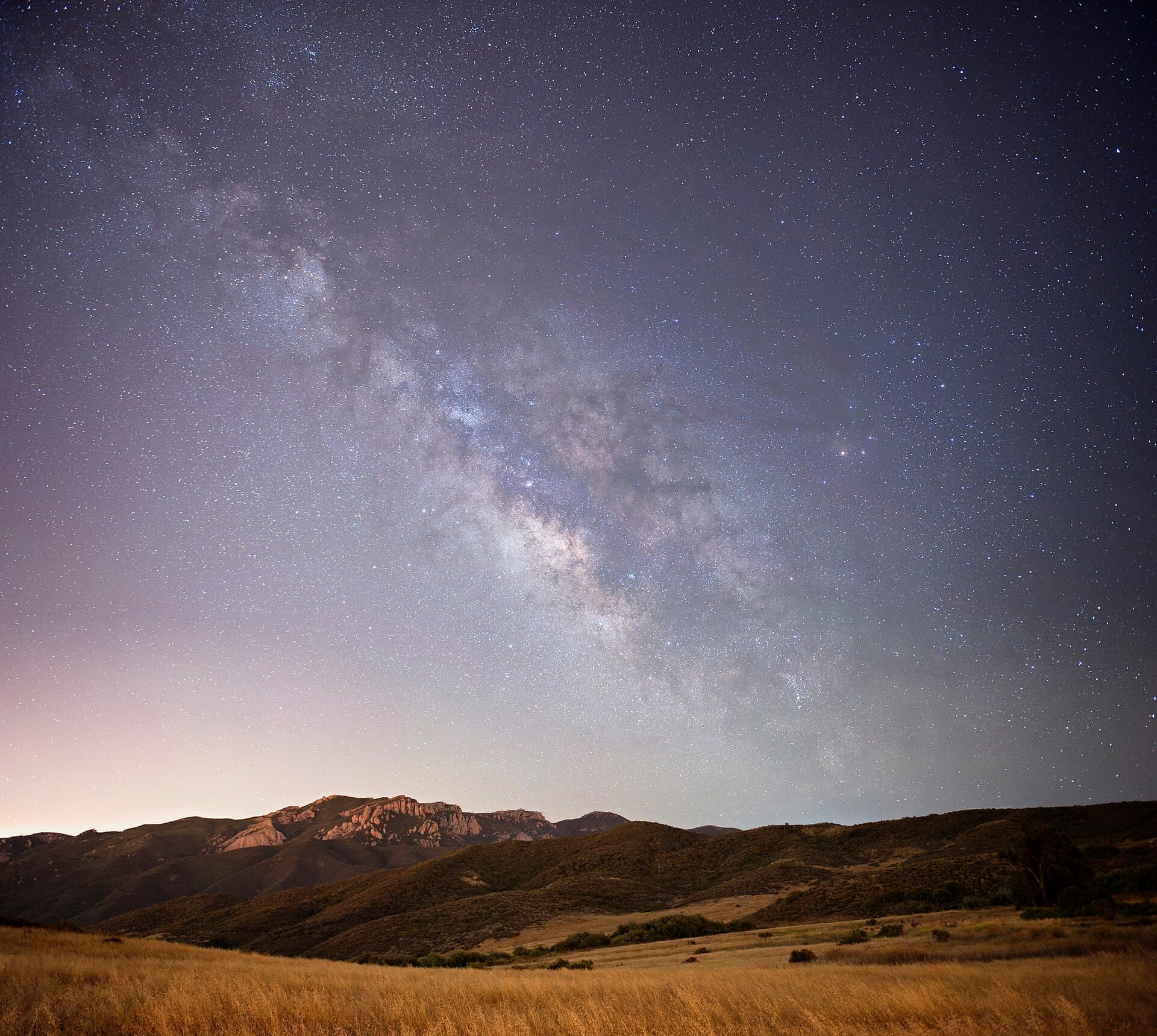
Summer nights (July through September) are the peak Milky Way season. The galactic core is well-positioned and rises in the south after dark. From a dark site outside Ruidoso, the Milky Way's structure is clearly visible: the central bulge, the dust lanes, the gradations from bright to dim. If you have ever seen an image of the Milky Way and wondered whether it looks like that in person, the answer is yes, but even better, because the field of view your eye can take in is wider than any photograph.
The summer sky is also rich in planets, clusters, and nebulae visible to the naked eye. Jupiter and Saturn, when in opposition during summer months, are bright enough to see surface features in binoculars. The Great Rift in the Milky Way, the dark lane of dust running along the galactic plane, is visible on good nights.
Bring binoculars if you have them. 7x50 or 10x50 binoculars open up the star clusters in Scorpius and Sagittarius dramatically. You do not need a telescope for a memorable night out.
Timing and Practical Tips
New moon nights are the best for deep sky viewing. The bright moon washes out faint objects. Check the lunar calendar and plan your dedicated stargazing night around a new moon if you can.
Allow your eyes 20 to 30 minutes of full darkness to fully dark-adapt. Every time you look at your phone you reset the process. Use a red flashlight (or a phone with a red-filter app) for any tasks that require light.
Temperatures drop significantly at night in the mountains even in summer. By midnight at 7,000 feet it can be in the 50s even in August. Bring a jacket and a blanket for lying on the ground. A folding camp chair is worth the trunk space.
Ruidoso sits in bear country. If you are parking at a remote forest pullout at night, be aware of your surroundings. Keep food in the car.
From the Cabin
Here is a thing I love about staying at a place like 2nd Street Retreat: the hot tub in the backyard is a built-in stargazing platform. On a clear August night, you can be horizontal in warm water looking straight up at the Milky Way without driving anywhere or setting up any equipment. The sky above a quiet Ruidoso neighborhood, away from the Sudderth Drive commercial strip, is dark enough to see the galaxy.
That is available to you any night of your stay. You just have to look up.