Your First Time at Ski Apache: Everything You Need to Know
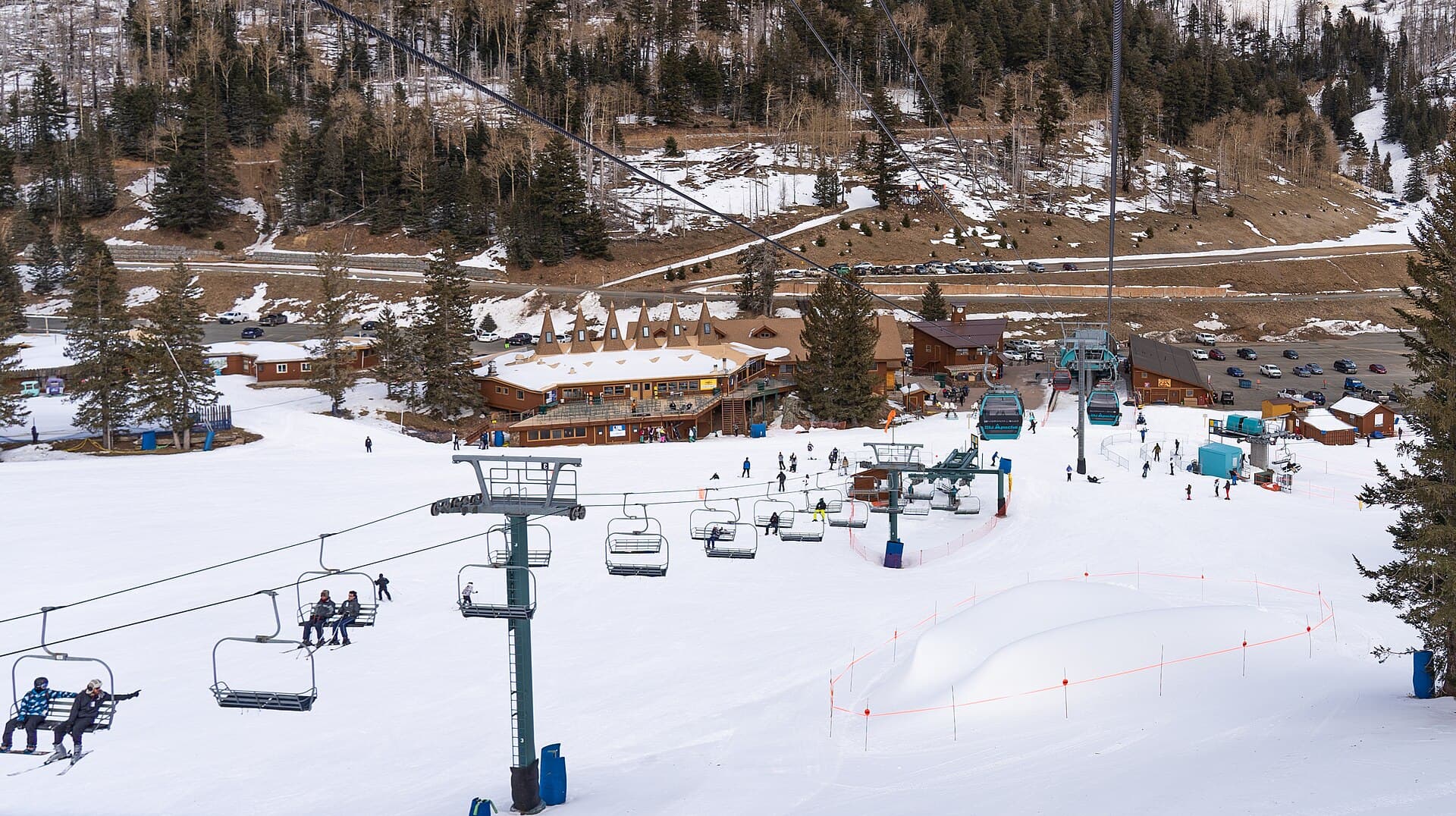
Ski Apache catches a lot of people off guard. You're driving through the New Mexico desert and then suddenly there are ponderosa pines, then snow, then ski runs dropping off a 12,000-foot mountain. It doesn't feel like it should be there, and that surprise is part of what makes it special.
If you've never been, or if you're bringing kids or beginners for the first time, here's everything you actually need to know. No fluff.
Getting There from the Cabin
From 2nd Street Retreat, Ski Apache is about 25 minutes. Head up NM-532 out of Ruidoso through Alto, then take the ski resort road up to the mountain. The road gains serious elevation in the last few miles. It's paved and well-maintained but narrow in sections. In winter, NMDOT treats the road regularly, but snow tires are your friend and chains are sometimes required after heavy snowfall. There are chain-up areas at the base of the mountain road.
Parking is at the ski area, so plan for a 10–15 minute walk from the lot to the base lodge depending on where you land. Get there early on weekends; the lots fill up by 9:30am in peak season.
Season Dates and Hours
Ski Apache typically runs late November through early March, weather and snowpack permitting. Some years they're open into late March; lean snow years they close before February. Check current conditions at skiapache.com before making plans. They update it regularly.
Operating hours: Generally 8:45am–4pm. Lifts start loading around 8:45, so if you want first tracks, be in line by 8:30.
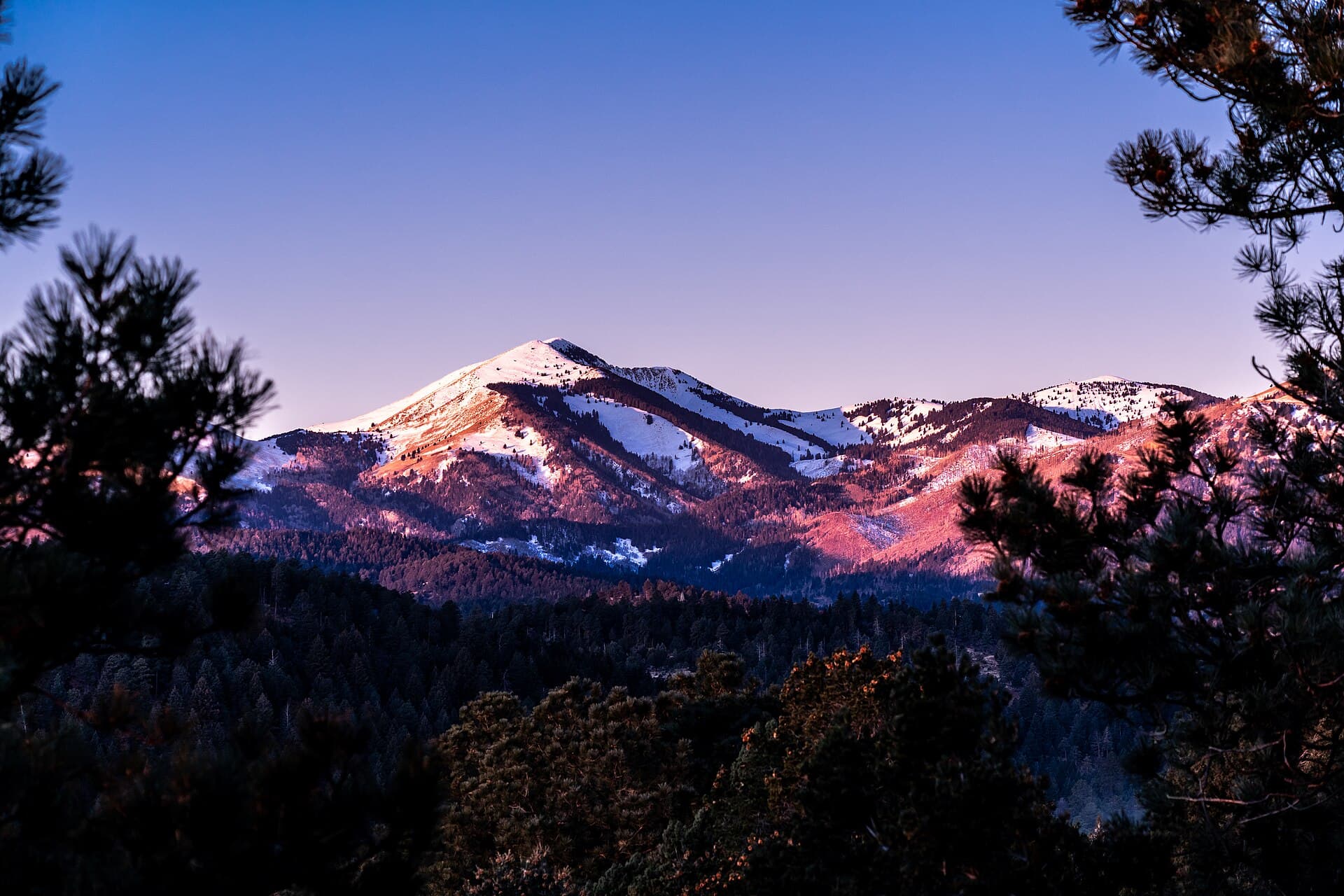
The mountain sits at the base of Sierra Blanca Peak at 11,500 feet, with the top of the gondola reaching 11,500 feet and the summit at 12,003 feet. That's high. You may feel it on your first day if you're coming from sea level. Drink water.
Tickets: What to Expect to Pay
Ski Apache ticket prices vary significantly by day type (weekday vs. weekend), time of year, and whether you buy in advance.
General ranges:
- Adult full-day lift ticket: $80–$110 on weekdays, $95–$130 on weekends and holidays
- Child (12 and under) full-day: $55–$75
- Senior (65+): discounted rates, typically 15–20% off adult
The most important thing: Buy online in advance. Walk-up window prices are consistently $15–25 more than advance online prices. Book on skiapache.com before you leave Ruidoso. It takes 5 minutes and saves real money, especially for families.
They also offer multi-day packages and season passes if you're planning multiple ski trips through the year.
Rentals
Ski Apache has a full rental shop at the base. If you don't own equipment, renting on-mountain is convenient, though not the cheapest option.
Rental prices (approximate):
- Full ski package (skis, boots, poles): $40–$55/day for adults
- Snowboard package: $45–$60/day
- Kids packages: $30–$40/day
My recommendation: If you're a beginner or only skiing once or twice a season, renting on-mountain is perfectly fine. If you're planning multiple trips, there are rental shops in Ruidoso (in town, before you drive up) that are typically 10–20% cheaper and have less of a line on busy mornings. Going through Alto, you'll pass a couple of options. Ski Apache Ski Rentals in town is worth a look.
Helmets are available for rent and I strongly recommend them, especially for kids and first-timers.
Best Runs for Beginners
Ski Apache has 55 trails across 750 acres, rated from beginner through expert. Here's where to start if you're new:
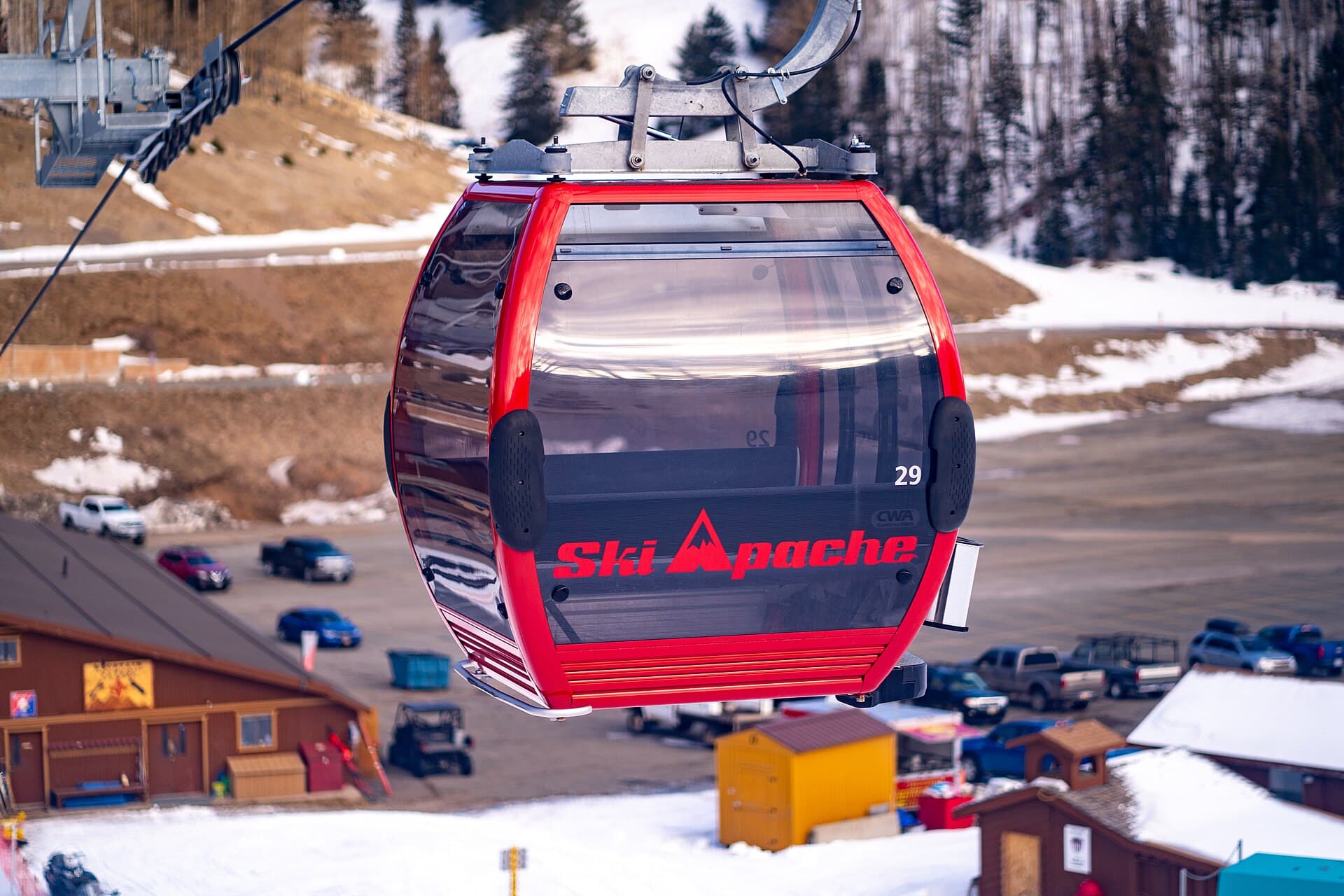
Gondola to the top, even for beginners One thing that surprises first-timers: you can ride the gondola to the top of the mountain even as a beginner, because there are beginner-friendly blue runs that wind down from the summit. The views from up there are extraordinary: Sierra Blanca, the Sacramento Mountains rolling out below, Ruidoso in the valley. Don't miss it even if you ski down slowly.
Best beginner terrain:
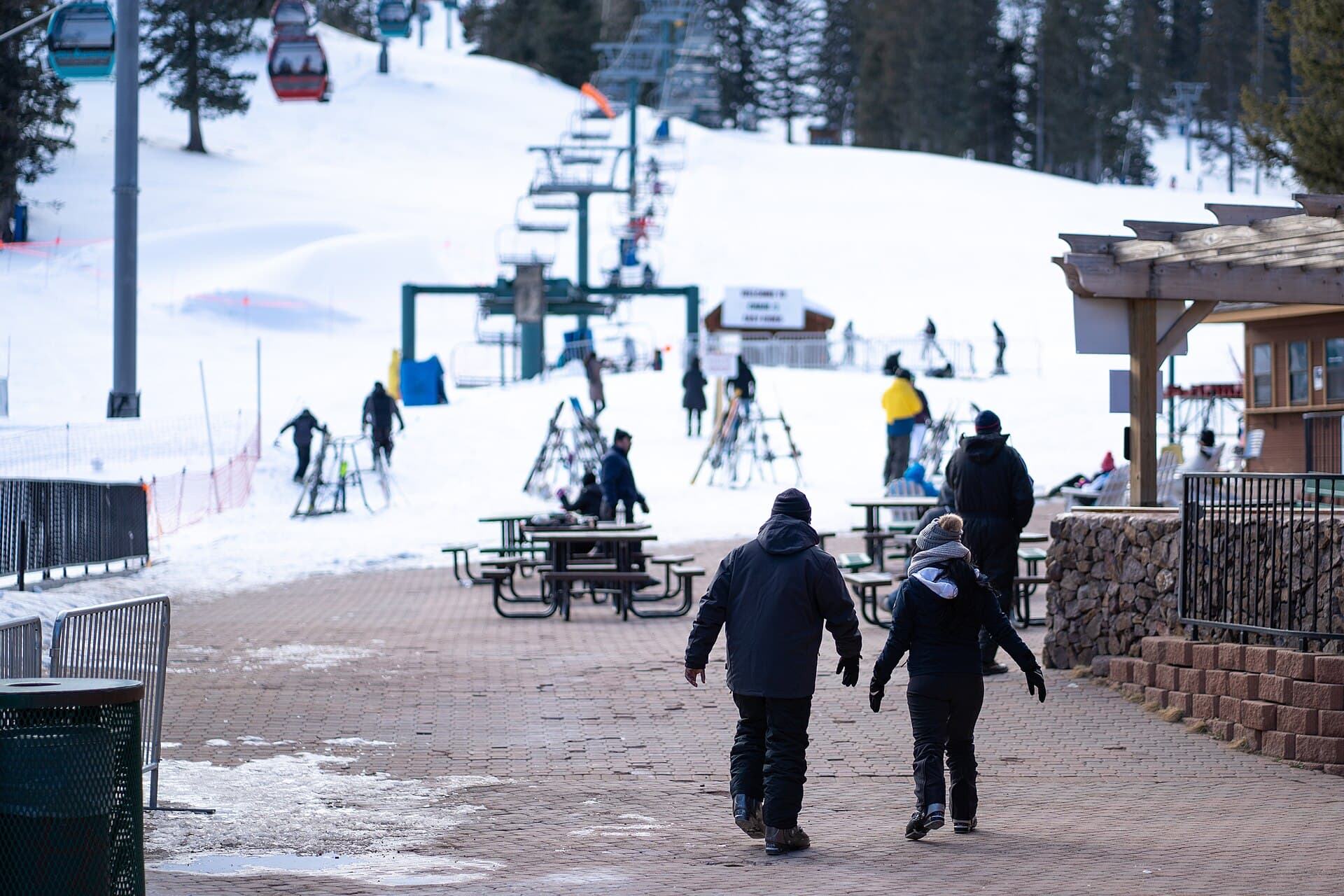
- Chango: A gentle, wide green run near the base area. Good place to find your legs on the first morning before committing to the full mountain.
- Moonbow: A long, mellow blue that winds from the mid-mountain area. Confidence-builder once you've got the basics.
- Sierra Blanca: A rolling intermediate run with great views. Perfect stepping-stone from green to blue.
Avoid on your first day: The Chairlift 1 side of the mountain has some serious black and double-black runs (including some genuinely steep terrain). Save those for when you've got a few days under your belt.
What to Wear
Layering is the rule on Sierra Blanca. The mountain can be warm and sunny at the base while genuinely cold and windy at the summit.
Base layer: Moisture-wicking thermal underwear. Not cotton. Cotton holds moisture and makes you cold. Merino wool or synthetic.
Mid layer: Fleece or light insulated jacket.
Outer layer: Waterproof ski jacket and ski pants (or bib pants). If you don't own them, you can rent a jacket and pants at the mountain for around $25–$35/day.
Extremities are critical:
- Waterproof gloves or mittens (mittens are warmer)
- Wool or synthetic ski socks (again, not cotton)
- A beanie or balaclava under your helmet
- Goggles, not just sunglasses. On overcast days and in any wind, goggles are worth it.
Sun protection: The UV at 12,000 feet is intense, even in winter. Sunscreen on your face and the back of your neck. Every day. Goggle/helmet tan is a real thing and it will get you if you're not careful.
Where to Eat on the Mountain
Ski Apache has two main food options:
Base Lodge: Inn of the Mountain Gods Ski Base The full-service base lodge has a cafeteria-style setup for breakfast and lunch: breakfast burritos, burgers, green chile, nachos, soups. It's mountain cafeteria food, nothing transcendent, but hot and solid. Lines get long from 11:30am–1pm. Eat at 11am or after 1:30 to avoid the crush.
Summit Gondola Building There's a smaller snack and coffee station at the summit. Good for a hot chocolate break and to look at the view without going back down to the base.
My honest recommendation: Pack snacks and a thermos. A good thermos of hot coffee or tea and some trail mix means you can ski longer without fighting the cafeteria line. Then go eat a real meal in Ruidoso after you come down. The town has much better food than the mountain does.
Tips for Families
- Ski school for kids: Ski Apache has a children's ski school that I hear good things about. If your kids are ages 4–10 and it's their first time, book a lesson. Half-day lessons run around $80–$100/child including a limited lift ticket.
- Start slow: Kids burn out faster than adults think. Plan for half-day skiing with breaks and snacks rather than grinding all day.
- Meet-up point: Establish a clear meeting spot at the base before splitting up. Cell service on the mountain is inconsistent.
- Nap logistics: If you've got toddlers or kids under 4 who won't ski, the base lodge is warm and has space. But honestly, younger kids are better off in Ruidoso for the day. Check out the Ruidoso activity options in town.
Coming Back to the Cabin
After a full day at Ski Apache, there is nothing better than coming back to a warm cabin. The drive down from the mountain takes about 25 minutes, and by the time you're back in Ruidoso, you're thinking about one thing: warming up.
2nd Street Retreat is set up for exactly this. Fireplace going, hot tub to ease your legs, and every restaurant in Midtown a 5-minute drive away. I personally cannot think of a better end to a ski day.
See you on the mountain.