Monsoon Season in Ruidoso: What Visitors Should Know
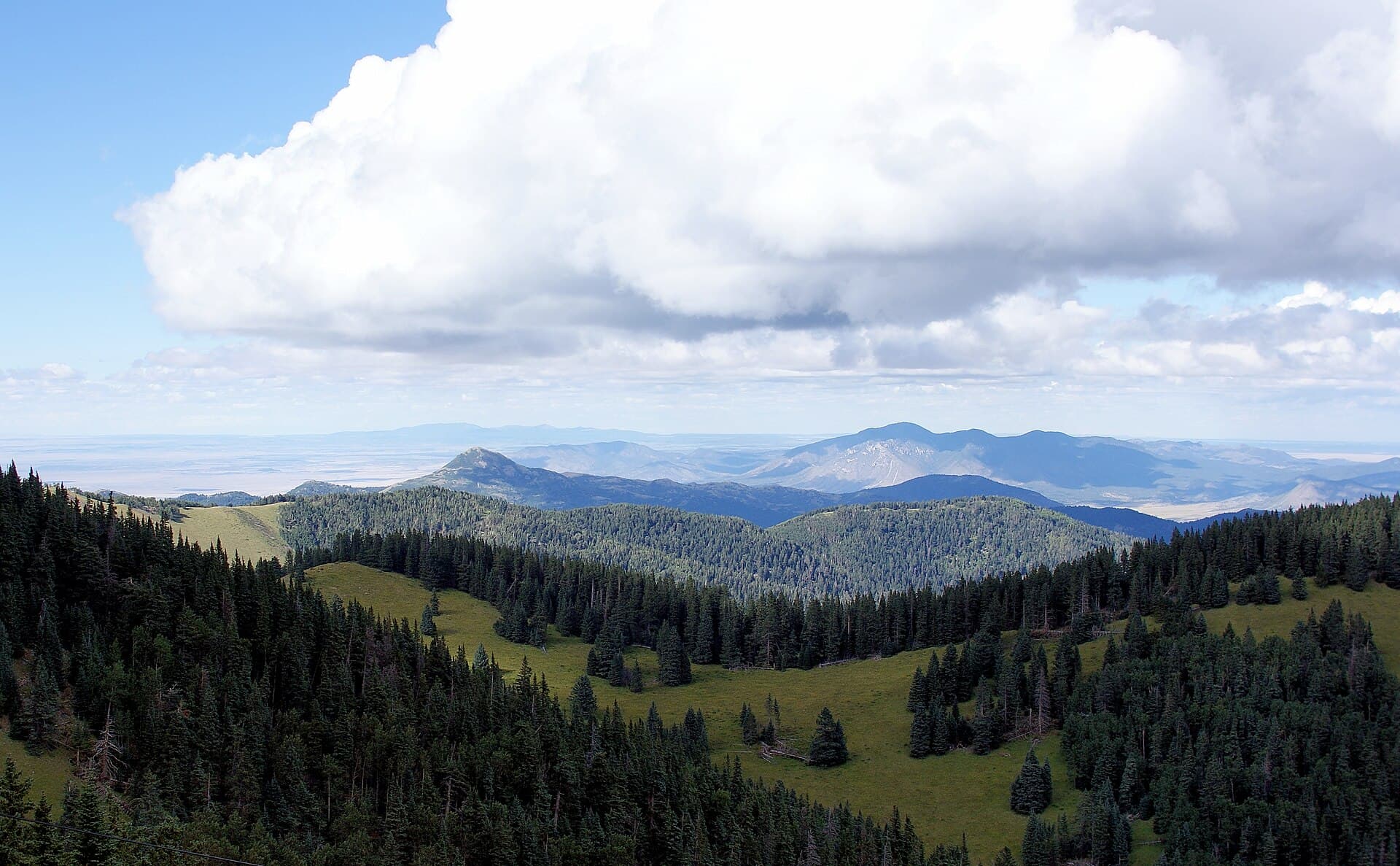
Every summer between roughly July 1 and the end of September, the atmospheric pattern over the American Southwest shifts and moisture flows north from the Gulf of Mexico and the Gulf of California. The result, here in the Sacramento Mountains, is an afternoon thunderstorm pattern that is as reliable as the sunrise. By early afternoon the cumulus clouds start building over Sierra Blanca. By 2 or 3 p.m. you can hear thunder rolling down the valley. By 4 p.m. it is often raining hard for 20 to 45 minutes. By 5 p.m. the sky clears and the light on everything wet and green is extraordinary.
This is monsoon season. It is not a threat to your trip. It is part of what makes a summer trip to Ruidoso specific and alive. But you should understand what it involves.
What to Expect
The monsoon pattern in Ruidoso is afternoon and evening activity, with mornings almost always clear and beautiful. This is the most important thing to understand from a planning perspective. If you schedule your hikes and outdoor activities in the morning, the monsoon is largely a non-factor during your actual activities.
Typical storms build from the southwest and move northeast. They are often visible an hour or more before they arrive. Locals read the sky automatically. You will learn to do the same after a day or two. Large anvil-topped cumulonimbus clouds building over the mountains to the west mean get off exposed terrain.
Rainfall during a monsoon storm can be intense: half an inch in 30 minutes is not unusual. Lightning is the primary danger and the rule is simple. If you can hear thunder, you are close enough to be struck. Get off ridges, get away from tall isolated trees, and get to low ground or a vehicle or a structure.
The storms usually pass within 30 to 60 minutes. After they do, the air is scrubbed clean and cool, the vegetation smells like pine and wet earth, and the light has a quality that photographers specifically chase. This is not an exaggeration. Monsoon afternoons in the Sacramento Mountains are legitimately beautiful.
Flash Flood Awareness
This is the piece that requires real attention. Flash floods in the canyons and drainages of the Sacramento Mountains can develop rapidly during and after heavy rain, even if the rain is falling miles away. The Rio Ruidoso and its tributaries are capable of rising several feet in minutes during a flash flood event.
A few hard rules:
Never camp in or near a dry wash or canyon bottom during monsoon season. Water can arrive without warning.
Do not attempt to drive through flooded roadways. The phrase "Turn Around, Don't Drown" exists because more people die in flash floods by driving into water than by any other cause. Even six inches of fast-moving water can push a vehicle off its path. Twelve inches can float most cars. Do not do it.
If you are hiking in a canyon or creek drainage and you hear a roaring sound from upstream, move to high ground immediately. The sound of a flash flood coming is distinctive: a low rumble that builds.
The arroyo areas and the Rio Ruidoso near Wingfield Park and Midtown are monitored. The village has a notification system and rangers patrol during heavy rain events. But your best tool is awareness and good judgment.
Planning Around the Monsoon
The practical schedule adjustment for a monsoon-season visit:
Do your hiking in the morning. Leave the trailhead by 6 or 7 a.m. and aim to be back to the car by 1 p.m. at the latest on stormy-looking days. The Lookout Mountain and South Fork trails are exposed in sections and the higher terrain builds weather faster than the valley.
Use the afternoon storms for Midtown. This is exactly when the galleries, the bakery, the wine tasting rooms, and the indoor activities make sense. Rain on Sudderth Drive while you are inside a warm gallery with a glass of wine in your hand is not a problem. It is the schedule working correctly.
Check the National Weather Service forecast in the morning. The Albuquerque NWS office covers this region and their point forecasts for Ruidoso are generally reliable. Convective outlooks and flash flood watches are your key indicators.
The Beauty of It
I want to say this clearly: the monsoon is one of the best parts of a summer trip to Ruidoso, not in spite of what it does but because of it. The afternoons when the storms roll in are genuinely dramatic in a way that is hard to find on a planned vacation.
The light before a monsoon storm, when the sky turns that particular green-gray-gold, is unlike anything I can describe usefully. The smell of creosote and ponderosa pine after a hard rain is the smell I associate with being alive and in the right place. The rivers run high and loud and the birds are out in force in the post-storm hour.
Sitting on the porch at 2nd Street Retreat while a storm rolls through the canyon, the sound of rain on the roof and thunder moving east, is an experience you will not find in a city or a beach house. The mountains in monsoon season are putting on a show. You just have to know when to be inside with a cup of coffee watching it, and when to be outside before it starts.
The answer to both is: know the pattern. Morning for moving, afternoon for watching. The mountains take care of the rest.