EV Charging in Ruidoso: A Complete Guide
I've hosted a lot of EV drivers at the cabin over the past couple of years, and I've had versions of the same conversation enough times that I figured I should just write it all down. The question is always some variation of: "Is it actually okay to drive electric to Ruidoso?" And my answer is always the same: yes, and here's exactly how to do it without the anxiety.
Let me be real with you about what the drive actually looks like, because the vague reassurances you find on generic travel sites aren't that useful when you're planning a specific route with a specific car.
What's Waiting for You at the Cabin
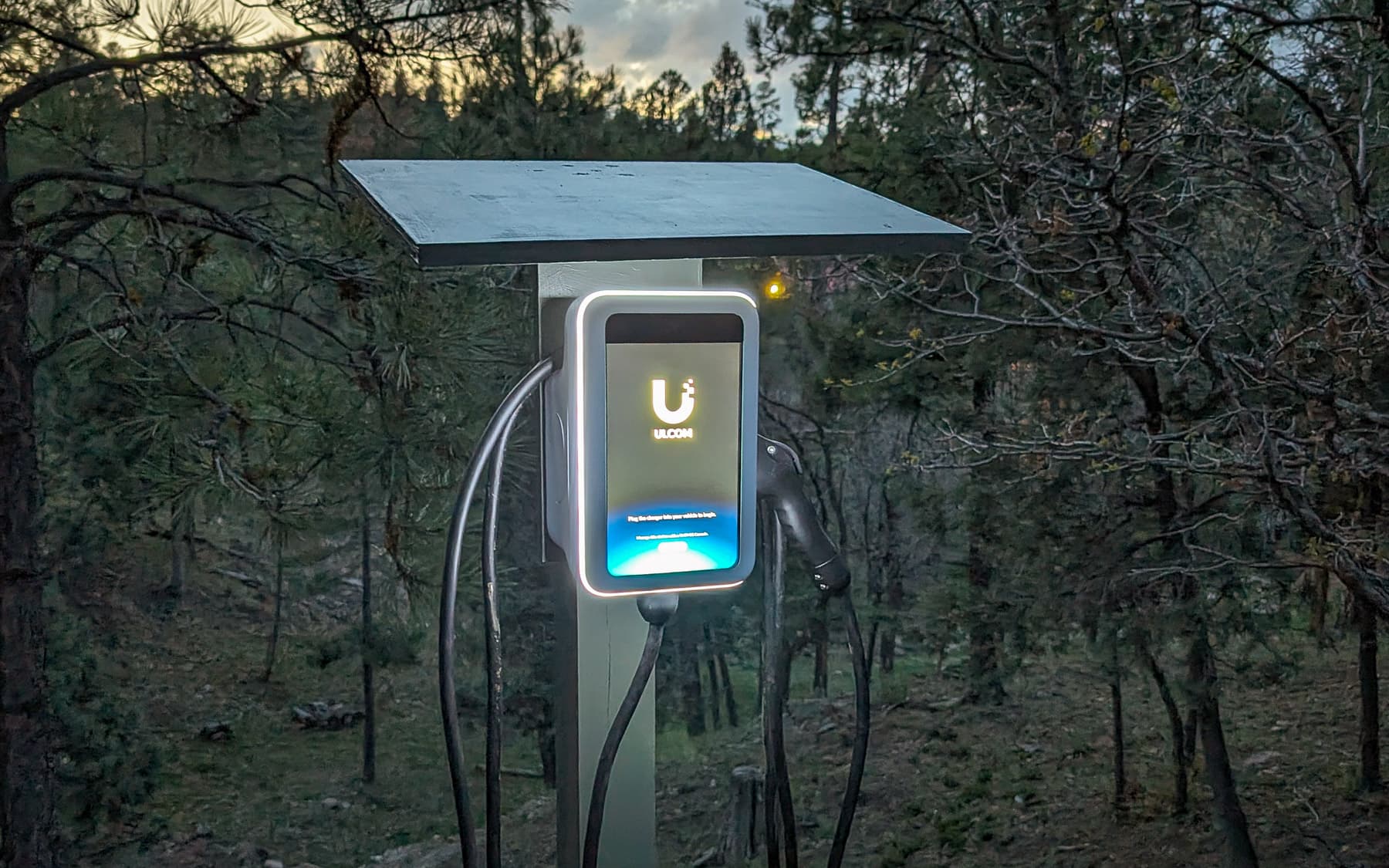
2nd Street Retreat has a dedicated Level 2 EV charger right in the driveway. You pull in, plug in, and by morning you have a full charge. That's it. That's the whole story for your charging needs during the stay.
I had the charger installed specifically because I noticed EV drivers booking and then asking nervously about charging in follow-up messages. A Level 2 charger delivers roughly 25 to 30 miles of range per hour of charging, so even if you arrive with the battery fairly depleted after a mountain drive, you're fully charged by the time you wake up. You will not spend your vacation hunting for public stations. You will not do the anxious mental math about whether you have enough range to get to the grocery store and back. You just plug in at night like you plug in your phone.
This matters more than it sounds in Ruidoso specifically, because the public charging situation in town is limited. There are a few Level 2 stations around, and you can find them on PlugShare or ChargePoint, but availability is inconsistent and the speeds are slow. Having your own dedicated charger at the cabin removes all of that friction entirely.
Driving from El Paso: The Route You Need to Know
The El Paso route is the one I get asked about most, and it's the one where range anxiety is most likely to show up. Here's the honest version.
US-70 from El Paso to Ruidoso is about 110 miles and it climbs roughly 5,000 feet over the second half of the drive. That elevation gain is real, and it does eat battery. On flat highway you might expect 4 to 4.5 miles per kWh. On the climb from Tularosa up through Mescalero into Ruidoso, you're looking at more like 2.5 to 3 miles per kWh on the steepest sections.
What this means practically: if you're driving a car with 200 to 250 miles of rated range, you have plenty of buffer if you start from El Paso with a full or nearly full charge. If you're in an older EV with shorter range, or if you're arriving in winter when battery performance is reduced by cold temperatures, top off in El Paso before you leave. There's a Tesla Supercharger in El Paso off I-10, and several other Level 2 stations around the city. Take the time to fill up before you head east. The 20 minutes you spend there saves the mental energy of watching the range estimate drop on the climb up the Sacramento Mountains.
The town of Tularosa is about 75 miles in and sits at the base of the climb. If you have any doubt about your range buffer, stop and use the Level 2 charger that's available there. It's slower than a Supercharger but it adds 20 to 30 miles of cushion, which is more than enough to get you comfortably to Ruidoso and the cabin charger.
One thing US-70 through Mescalero has going for it: it's genuinely beautiful. The road climbs through the reservation with the mountains rising around you, and by the time you're coming down into Ruidoso you're in full ponderosa pine territory. Even when I've done that drive with EV drivers watching their range display a little nervously, they always comment on the scenery. The drive is part of the experience up here.
Driving from Albuquerque
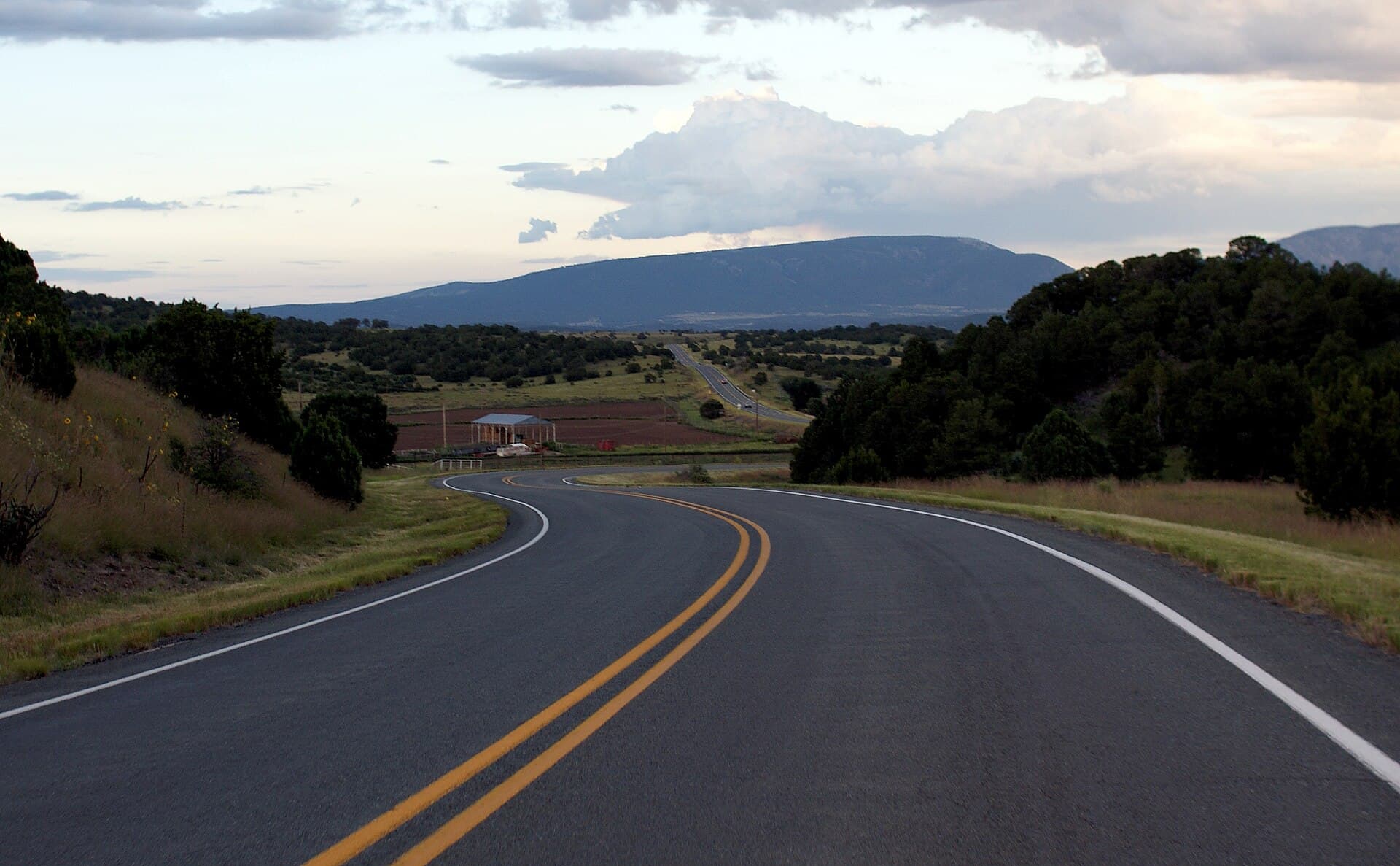
This route is actually more relaxed than El Paso for most EV drivers. You're coming down from a higher elevation rather than climbing to one, and there are more charging options along the way. Take I-25 south to US-380 east. There is a Supercharger in Socorro, and that's a natural stopping point about halfway through the drive. From Socorro to Ruidoso you have roughly 90 miles, most of it on relatively gentle terrain. Standard range EVs handle this without any concern.
The Albuquerque to Ruidoso drive takes about three hours, and if you time a Socorro stop for lunch, the charging question takes care of itself.
Driving from Las Cruces
This is the easiest EV drive of the three. About 1.5 hours up US-70, starting at a lower elevation than El Paso with a gentler overall climb. I've had Las Cruces guests arrive with 60 percent battery after not charging at all since they left home. Most modern EVs handle this route without a second thought.
A Few Things That Actually Matter in the Mountains
Cold weather reduces range, and Ruidoso gets cold. In winter we regularly see overnight temps in the teens and twenties, and daytime highs in the 30s and 40s are normal through February. Cold batteries perform worse, and running the cabin heater draws more power than the AC does. If you're visiting during ski season, build in a 15 to 20 percent range buffer beyond what you'd normally need. The Level 2 charger at the cabin helps here because keeping the car plugged in and warm overnight prevents the worst of the cold-soak battery drain.
Regenerative braking is your friend on the way back down. What the mountain takes from you on the way up, it gives back (partly) on the descent. The drive out of Ruidoso toward Tularosa is almost entirely downhill and you will visibly gain range on that stretch. This is one of the more satisfying parts of driving electric in mountain terrain.
Finally: don't try to plan the trip on the assumption that public stations in Ruidoso will be available when you need them. They might be. They might not. Build your plan around arriving with enough range to get through the evening, plugging into the cabin charger overnight, and leaving the next morning full. That's the reliable loop, and it works every time.
If you're planning an EV trip to the mountains and you have questions about the specific charger setup or want to know more about the route, just reach out before you book. I've talked through the drive with enough guests now that I can answer pretty much anything. 2nd Street Retreat has you covered on the charging side. The mountains will take care of the rest.