El Paso to Ruidoso Road Trip: The Complete Driving Guide
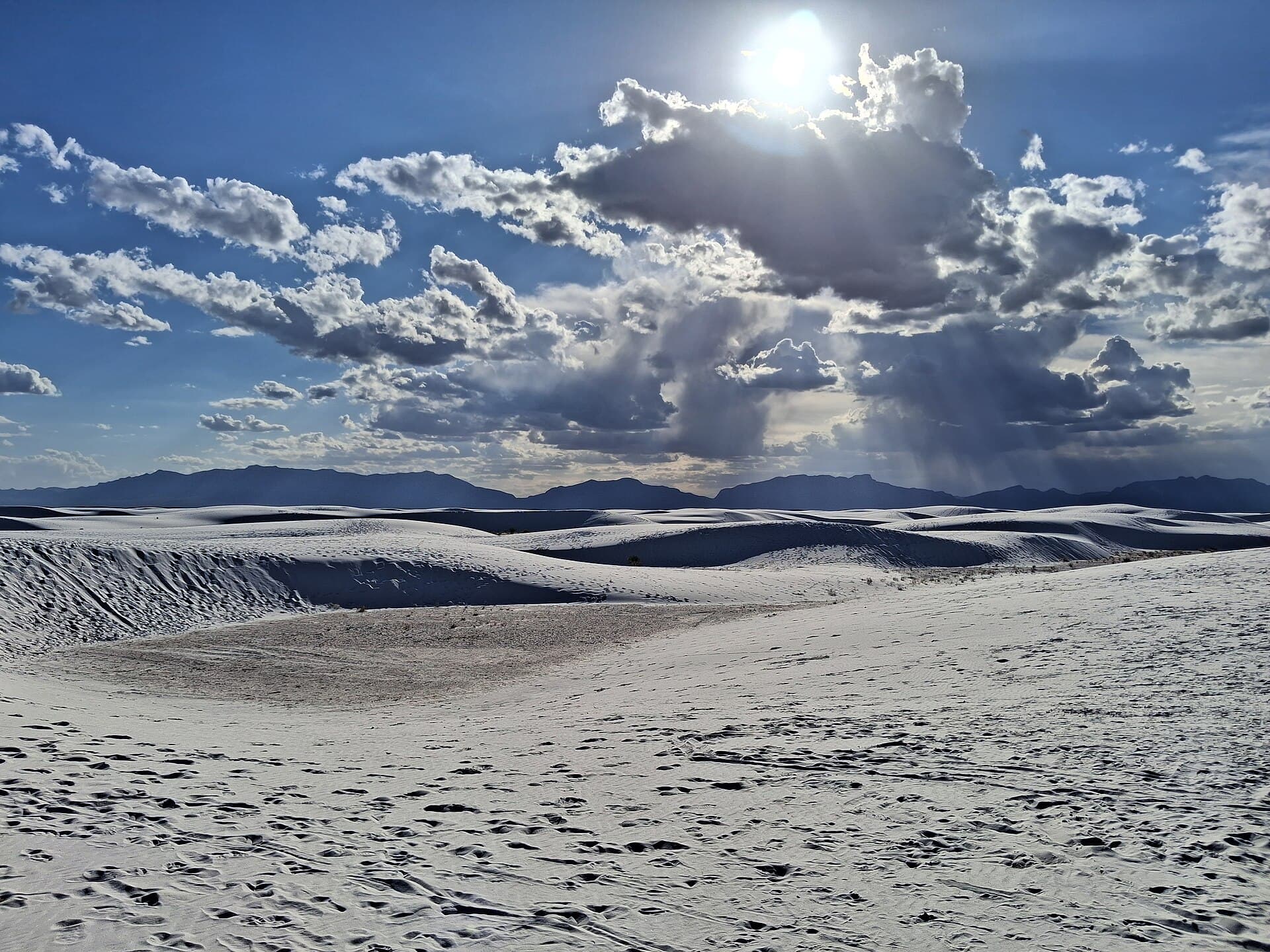
El Paso is one of the most common launch points for a Ruidoso trip, and honestly, it's one of my favorite drives in the Southwest. You start in the desert (flat, wide, that big Texas/New Mexico sky) and two hours later you're winding up into pine-covered mountains at 7,000 feet. The transformation is dramatic and it never gets old.
Here's everything practical you need to know to make the drive smooth.
How Long Is the Drive?
Plan for 2 to 2.5 hours under normal conditions. The distance is about 115 miles. If you stop along the way (and you should), add another 30–45 minutes. There's no interstate the whole way, which means no rush-hour hell but also means you're driving two-lane mountain roads for a good stretch of it.
The Main Route: US-70 Through Tularosa
The standard route is I-10 East out of El Paso to US-54 North, then cutting east on US-70 through Tularosa and up into the mountains. This is the route most GPS apps will give you and it's the right call.
Here's how the drive breaks down:
El Paso to Tularosa (~75 miles, about 1 hour) This is your desert stretch. Flat, fast, and honestly beautiful if you're into big open sky and the Sacramento Mountains building on the horizon. You'll pass through the small towns of Orogrande and Oscura. Don't blink.
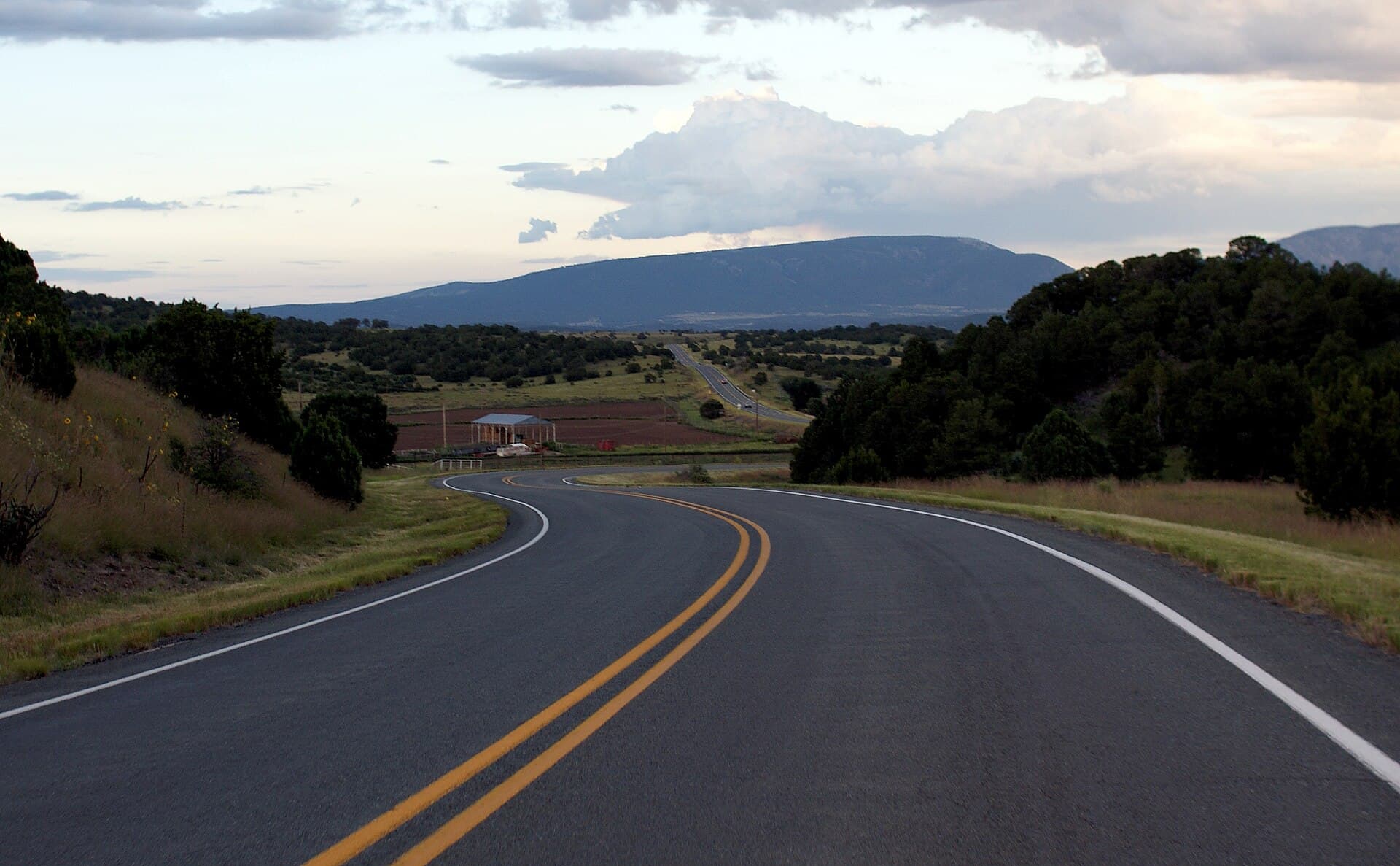
Tularosa to Ruidoso (~40 miles, about 45 minutes) This is where the drive gets interesting. US-70 climbs up through the Tularosa Basin and then starts gaining elevation hard as you enter the Lincoln National Forest. The road narrows and winds through Alto and into Upper Canyon before dropping into Ruidoso proper. Keep your speed reasonable. The curves are real and the scenery demands some attention.
Scenic Stops Worth Making
White Sands National Park: The Big Detour If you haven't been, White Sands is a 20-minute detour off US-70 and it is genuinely one of the most surreal landscapes in the country. Pure white gypsum dunes that look like snow in the desert. You can do a quick 30-minute walk on the Interdune Boardwalk or go longer on the Alkali Flat Trail (5 miles if you want the full experience). Budget 1–2 hours minimum.
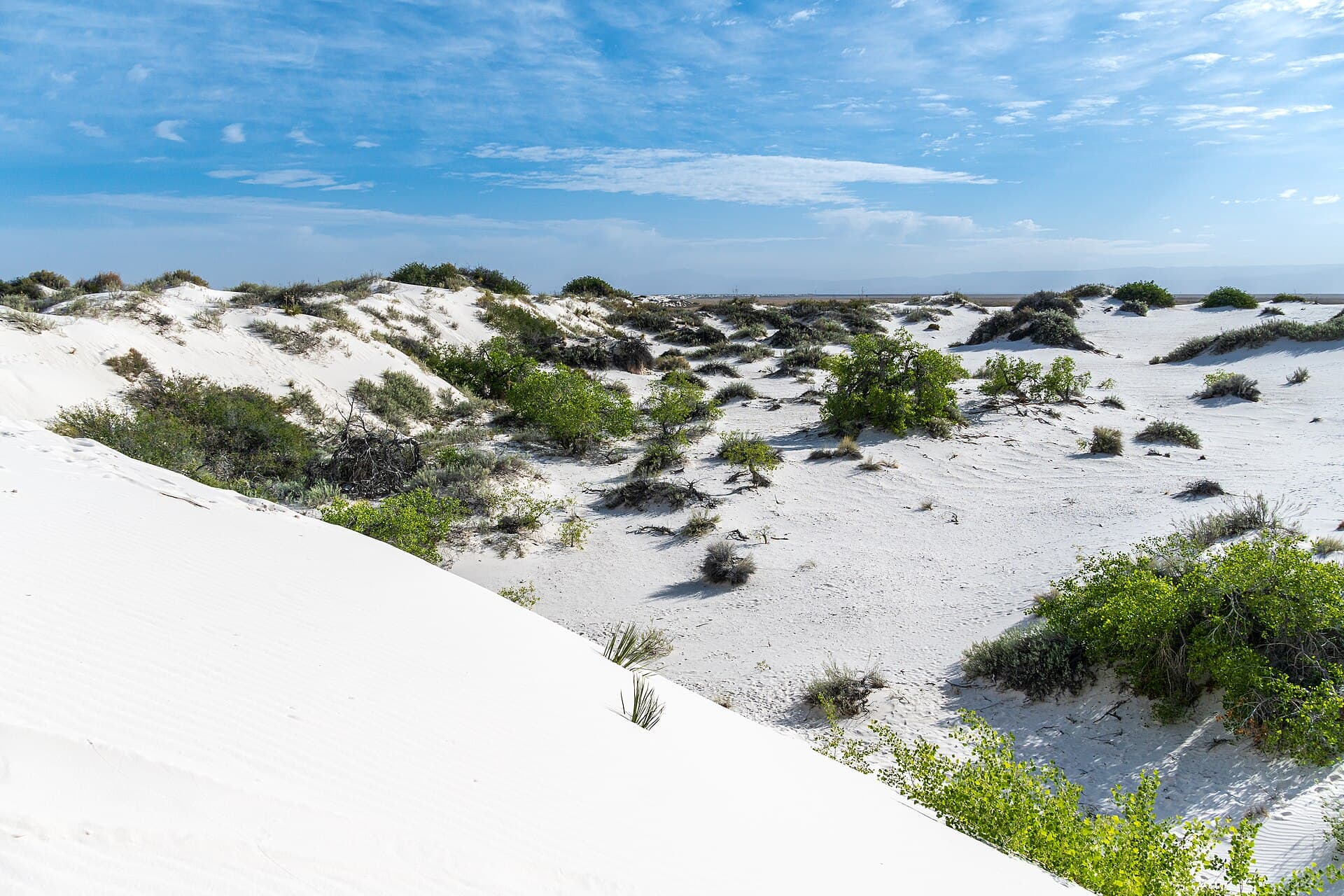
White Sands is about 45 miles west of Tularosa on US-70, so it fits naturally into the drive. Entrance fee is $25 per vehicle and the park has excellent visitor facilities. If you go midday in summer, bring water. It gets hot out there.
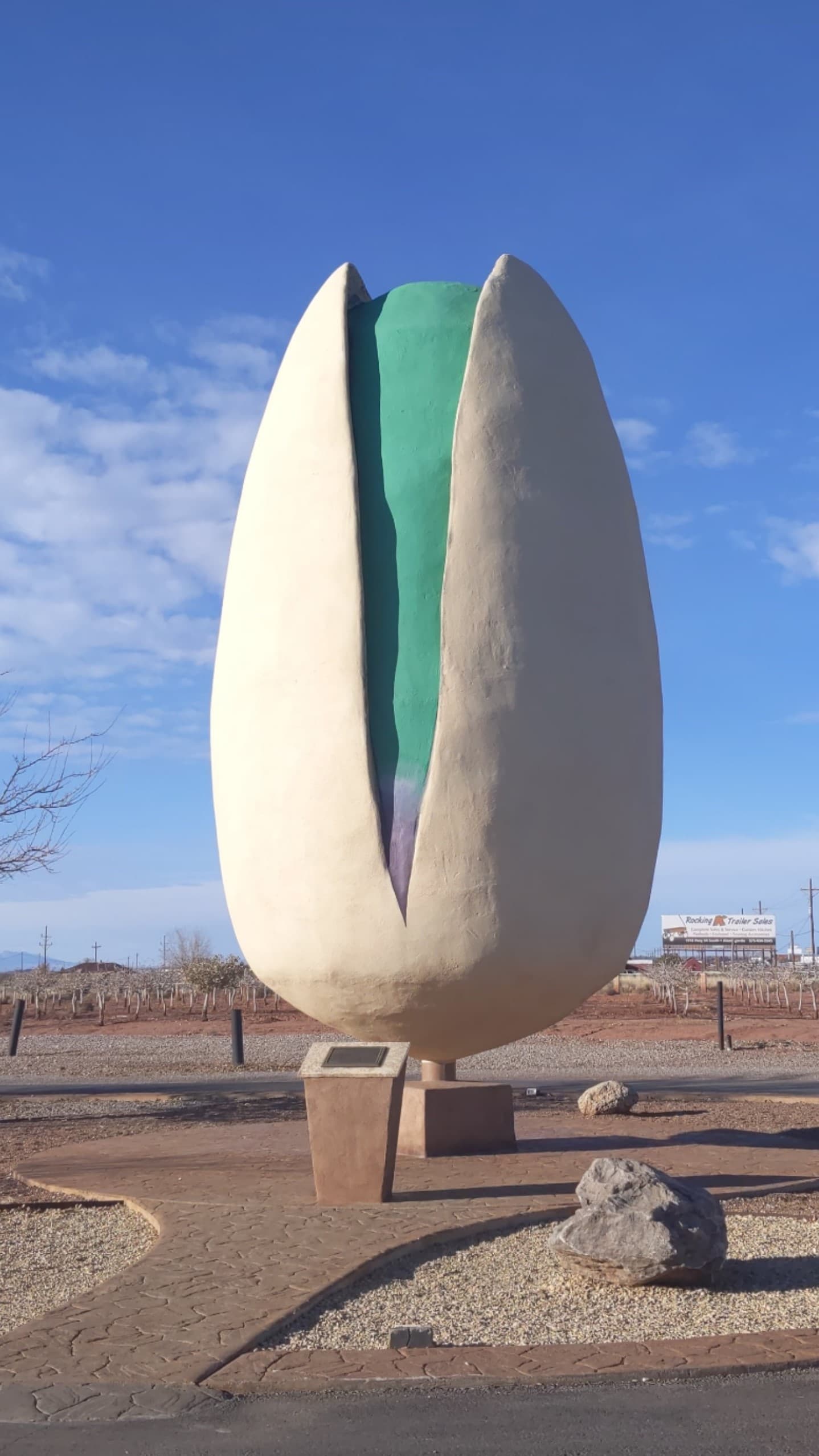
Tularosa: Pistachio Farm Stop McGinn's PistachioLand just outside Tularosa is one of those roadside spots that sounds weird until you stop. New Mexico is actually a major pistachio-growing region and the farm store here has fresh roasted pistachios, local pecans, and a pretty great gift shop. It's a 10-minute stop that breaks up the drive nicely.
Alto: Last Gas and Food Before Ruidoso Alto is basically where the mountain resort area begins. If you're running low on fuel, this is your last reliable stop before Ruidoso itself. There's a small market and gas station. Don't skip it if you're under a quarter tank. Mountain driving burns more fuel than you expect.
What to Pack for the Drive
- Water and snacks: The stretch between El Paso and Tularosa has very few services. Toss some bottles and road snacks in before you leave.
- Layers: If you're coming from El Paso in summer, the temperature difference between the desert and Ruidoso can be 20–30 degrees. El Paso at 95°F, Ruidoso at 68°F. Pack a fleece or light jacket in the car.
- Sun protection: High altitude and desert sun are both brutal. Sunscreen, sunglasses, a hat if you're stopping at White Sands.
- Downloaded maps: Cell service gets patchy on the mountain stretch of US-70. Download offline maps in Google Maps or Maps.me before you leave El Paso.
EV Charging: Better Than You'd Think
If you're driving an EV, this route is manageable with a little planning.
El Paso has multiple Tesla Superchargers and several Electrify America stations. Top up fully before leaving.
Along US-54/70: Charging is sparse in the desert stretch. Alamogordo (which is on US-70 about 20 miles past Tularosa) has a couple of Level 2 chargers and a Tesla destination charger at a hotel. Not fast charging, but it works if you need a top-up.
At the cabin: 2nd Street Retreat has an EV charger on-site, which honestly changes the math for the whole trip. You can arrive with whatever charge you have, plug in overnight, and wake up with a full battery every morning. For EV drivers this is a genuine game-changer, with no hunting for chargers between hikes.
Plan your outbound trip with enough charge to get to Alamogordo if needed, then let the cabin charger do the work for the rest of your stay.
Best Time to Drive
Spring (March–May): Excellent. Roads are clear, wildflowers are starting in the lower desert, temperatures are comfortable. My personal favorite time to make this drive.
Summer (June–August): Great visibility and road conditions, but White Sands gets very hot midday. Start early if you're stopping there. Afternoon thunderstorms are common in the mountains July–August. You might hit light rain on the mountain stretch but nothing serious.
Fall (September–November): Also excellent. The aspen color on the upper mountain roads in October is worth seeing. Bring a real jacket.
Winter (December–February): This is where you need to pay attention.
Winter Driving Tips
The mountain stretch of US-70 from Alto up into Ruidoso can get icy and snow-covered in winter. This is not a scary road but it demands respect.
- Check NMDOT road conditions before you leave: nm511.com or call 511 from a New Mexico number. The road can close temporarily after heavy snow.
- All-season tires are the minimum. Snow tires or chains if you have them and it's been snowing.
- Slow down in the curves. The section from Alto to Upper Canyon has tight switchbacks. 30–35 mph is the right speed when conditions are questionable.
- Don't brake mid-curve. Classic mountain driving: brake before the curve, accelerate out.
- Keep your gas tank full in winter. If you do get stuck waiting for a plow, you want to be able to run the heat.
Winter in Ruidoso is magical (ski season at Ski Apache, snow on the pines, fires in the cabin), but respect the road getting there and you'll be fine.
The Arrival
That moment when US-70 crests the last rise and you see the ski runs on Sierra Blanca in the distance. That's the arrival signal. You're almost there. Drop down into Upper Canyon, past the restaurants and shops opening up, and you're in Ruidoso.
If you're heading to 2nd Street Retreat, you're just minutes from everything once you hit Midtown. Unpack, breathe that mountain air, and figure out which restaurant is getting your first dinner.
Drive safe. The mountains are worth the trip.